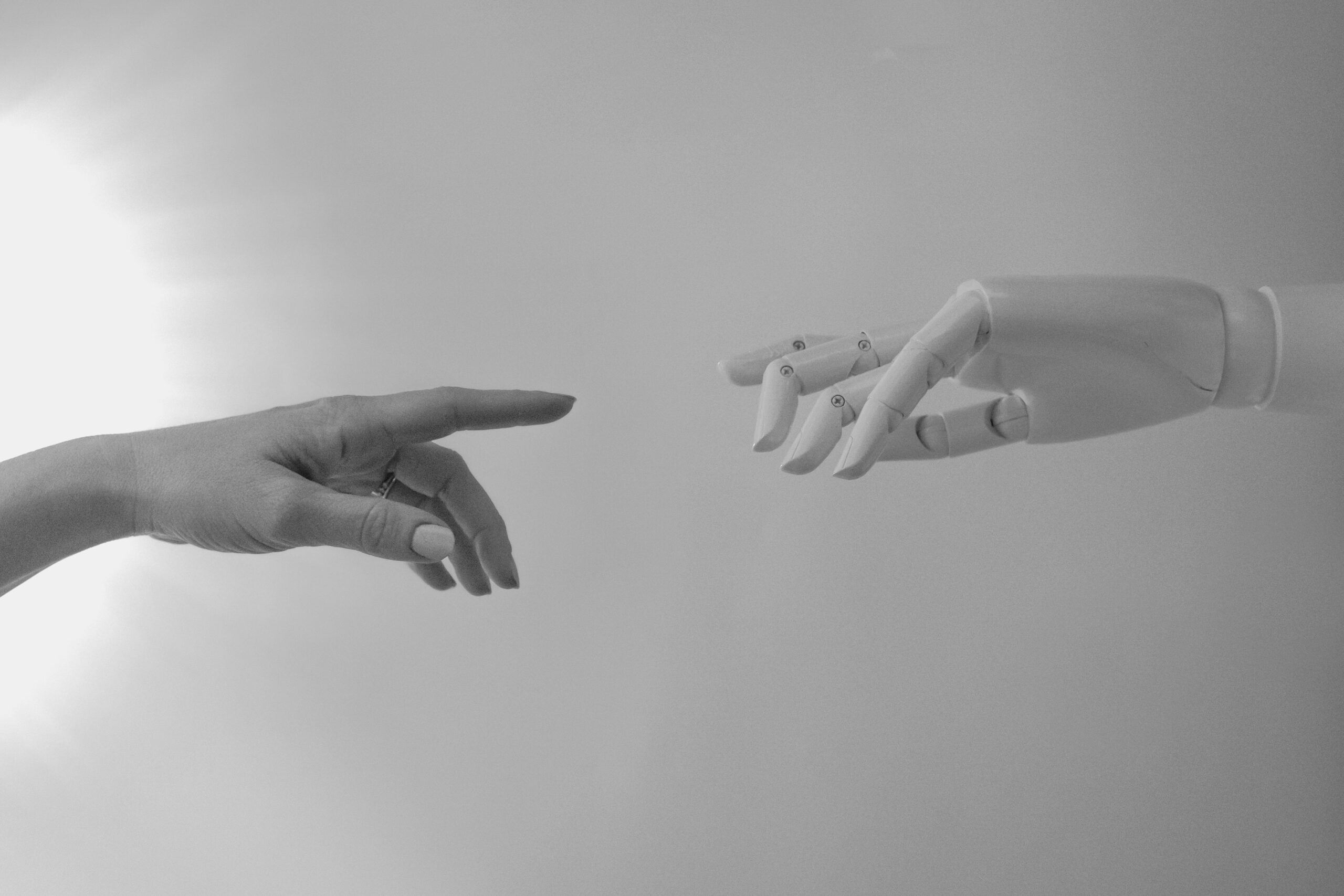
Artificial intelligence (AI) is rapidly changing the way we learn and acquire new knowledge. In the future, AI will play a major role in education by providing personalized learning experiences for students, increasing access to education for all, and creating new ways for teachers to teach and assess students.
One of the biggest ways AI will change how we learn is through personalized learning experiences. AI-powered systems can analyze a student’s learning style and adapt instruction to their needs. This means that students will be able to learn at their own pace, with the help of AI-powered tutors, and will have access to a wide range of resources that are tailored to their individual needs. With this type of personalized learning, students will be able to learn more efficiently, and will be more likely to retain the information they’ve learned.
https://crystallum-ai-trading.com/AI will also change how we learn by making education more accessible to all. With the help of AI-powered systems, students will be able to take online classes and access educational resources from anywhere in the world. Additionally, AI can be used to create virtual and augmented reality experiences, which can make learning more engaging and interactive. This can help to bridge the gap between students in underprivileged areas and those in more affluent areas, and make it possible for more students to access high-quality education.Predict. Execute. Profit.AI will also change how we learn by making education more accessible to all. With the help of AI-powered systems, students will be able to take online classes and access educational resources from anywhere in the world. Additionally, AI can be used to create virtual and augmented reality experiences, which can make learning more engaging and interactive. This can help to bridge the gap between students in underprivileged areas and those in more affluent areas, and make it possible for more students to access high-quality education.
Finally, AI will also change how teachers teach and assess students. AI-powered systems can analyze student data and provide teachers with insights into how students are learning. This will help teachers to make more informed decisions about what to teach and how to teach it. Additionally, AI can be used to create more sophisticated assessments that can measure a student’s understanding of a subject in greater depth. This will help to make education more effective, and will give teachers a better understanding of how to help their students succeed.
Overall, AI has the potential to revolutionize how we learn, making education more personalized, accessible, and effective for all.